


In an increasingly fast-paced and demanding working world, companies are looking for creative ways to strengthen internal bonds and improve communication and the working environment. One often underused but very powerful tool is music and collective rhythmic dynamics. In this article, I explain why team cohesion activities with music, and specifically the ones I offer, can transform a group of people into a truly cohesive, motivated, and creative team.
Why music? The power of rhythm to unite people
Numerous studies point out that music can foster cooperation and synchronization among people. According to a study by Cornell University, when cheerful music with a steady rhythm is played, participants tend to cooperate and collaborate more.
In addition, music activates various areas of the brain through emotions, memory, communication, and motor control, releasing dopamine, the “well-being molecule,” which increases motivation and collective energy. These elements make musical activities highly effective in fostering empathy, active listening, non-verbal communication, and overall team cohesion.
What do we mean by team cohesion activities?
When we talk about team cohesion activities, we refer to any action, workshop, or experience designed to strengthen group unity, improve communication, stimulate trust, and create a sense of belonging. These types of activities are especially valuable in professional environments, educational centers, sports teams, or collective projects.
Which musical activities can be used for team cohesion
As a facilitator and professional, I have designed various proposals to adapt to different types of teams, objectives, and contexts. Here are some of the activities I offer and why they work so well:
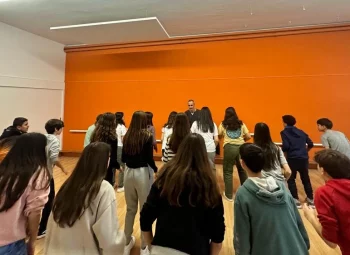
- Body percussion: We use the body as an instrument to create collective rhythms. It is accessible, requires no prior musical experience, and helps develop coordination, active listening, complicity, and real cohesion. It enriches group sensitivity and the sense of belonging.
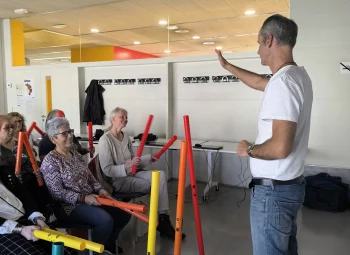
- Boomwhackers: a playful and sound-based activity that combines rhythm and melodies using Boomwhacker tubes. Ideal for teams looking for fun and a memorable shared experience, while promoting collaboration and rhythmic synchronization.
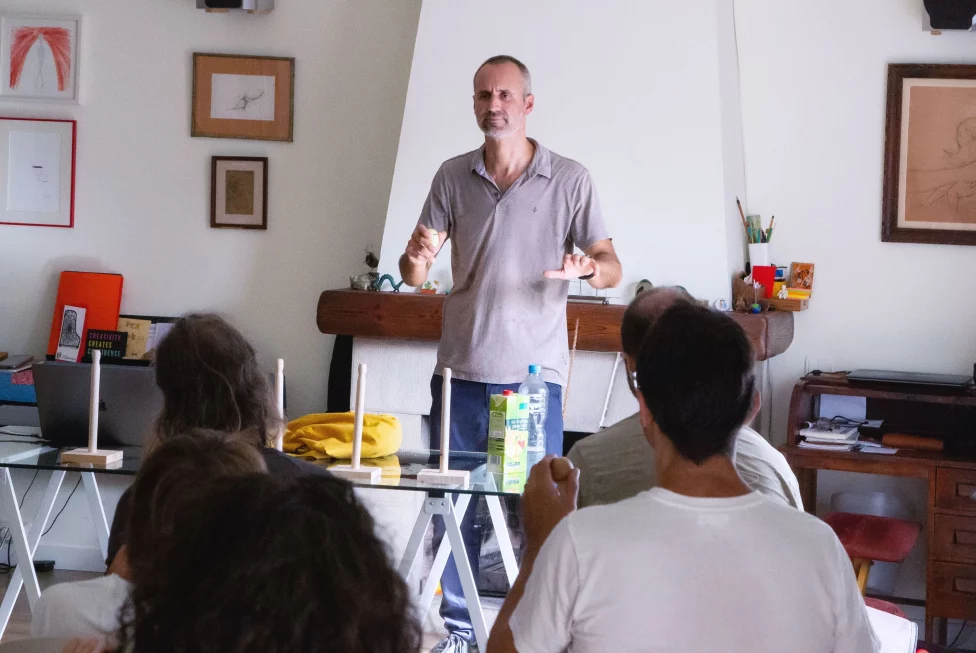
- Corella Music Experience: a comprehensive experience that combines different disciplines (body percussion, Boomwhackers, drum circle, Taketina system) to enhance values such as communication, empathy, creativity, leadership, and collective commitment. Perfect for companies, teams, and groups that want to go a bit further than a one-off activity.
These proposals show that music can be a very versatile tool for team building, reinforcing shared values, and generating a shared experience that lasts over time.
Real benefits of investing in musical activities for teams
Implementing musical workshops or activities as part of a team cohesion strategy brings many advantages:
- Improved communication and active listening: playing or creating music in a group forces participants to listen to others, synchronize, and respond collectively—essential skills for any team.
- Increased cooperation and solidarity: in musical activities, participants must trust one another; this generates empathy, collaboration, and a sense of “we are a team.”
- Creativity and problem-solving: improvisation, joint creation, and shared rhythm stimulate creativity and originality, helping people step out of habitual roles and explore new ways of collaborating.
- Stress reduction and improved well-being: music and movement have positive effects on mood, reduce tension, and help create a favorable emotional climate.
- Sense of belonging and shared identity: sharing a musical experience helps create bonds, build trust, and consolidate a common vision—essential for teams that work together day after day.
- Memorable experience: a well-designed musical activity leaves an emotional and collective mark that goes beyond the day it takes place, reinforcing cohesion in the medium and long term.
When and why I recommend using music to strengthen a team
There are several moments when a team cohesion activity with music can be especially beneficial:
- When a new team is formed and trust and complicity need to be built from the very beginning.
- When there is an organizational change, a team merger, or a cross-functional project that requires collaboration and synergy.
- When the team is demotivated, there is stress or internal tension, and energy, positivity, and empathy need to be regenerated.
- When the goal is to foster creativity, innovation, or break out of rigid dynamics (for example, in brainstorming sessions, project development, or cultural transformation).
- As a regular activity to maintain team spirit and improve the work climate.
As a facilitator, properly sequencing the activity (opening, development, closing), adapting it to the group profile, and respecting rhythms and sensitivities are essential to unlock its full potential.
How to integrate a music activity into your company or team
- Define the objective: cohesion, communication, creativity, well-being… This will determine how to calibrate duration, intensity, and format (a one-off session, a series, integration into an event, etc.).
- Choose the right activity: for a team that is just starting, a body percussion session may work well; for a team that needs creativity and active collaboration, a Boomwhackers session or a Corella Music Experience session.
- Encourage participation and commitment: everyone should feel comfortable participating. The rhythm should be adapted to the group, and it is important to create a safe, respectful, and stimulating environment.
- Create a space for reflection: after the activity, allow time to talk about what they experienced, how they felt, what surprised them… This reinforces group impact and emotional bonding.
- Integrate music as a recurring tool: not only as a “special event,” but as a resource to reactivate the team, celebrate achievements, or tackle new projects with renewed energy.
Enhancing long-term results: beyond the one-off activity
For a music activity to truly function as a driver of cohesion, it is not enough to do it just once by chance. It is worth considering it as part of a broader human resources or company culture strategy. With regular sessions, combined with other internal communication, leadership, and collaborative work actions, music can help consolidate a strong, flexible, and creative team spirit.
Moreover, shared musical experiences generate shared memories and emotions that facilitate trust and future cooperation. This collective memory is a very valuable intangible asset for any organization.
Conclusion
Suppose you are looking for a different, creative, and profound way to strengthen your team—whether corporate, educational, or associative—team cohesion activities with music are an excellent option. Music and rhythm have the power to connect people on an emotional level, improve communication, foster creativity, and build trust.
As a facilitator, I invite you to try it: a body percussion session, a Boomwhackers session, or a deep immersion with Corella Music Experience can be the boost your team needs to come together and grow.
If you would like to discuss how to adapt an activity to your team’s needs or objectives, I would be happy to design it with you. The rhythm is waiting—and so is the team.