


I place rhythm first in the title because it is the main and most important element. The reason is that it is present both in nature and in coaching and… everywhere.
Nature
Understanding “nature” as the set of everything that exists without having been created by human beings. Nature includes living beings (plants, animals, people), physical elements (water, air, earth, fire), landscapes, ecosystems, and the processes that govern the natural world.
That said, we find that the Earth has a specific rhythm of rotation on its own axis and, at the same time, a rhythm in its trajectory around the sun. All forms of life follow specific rhythms to grow and develop—where they are heading and for how long remains a mystery. We ourselves have specific rhythms of sleep, digestion, breathing, heartbeats, and a long etcetera. By modifying any of the aforementioned rhythms (those we can modify), we alter reality.
Coaching
Coaching is a structured support process in which a person (the coach) helps another person (the coachee) or a team to clarify goals, become aware of how they function, and activate their own resources to improve results, learning, and well-being.
It is not about advising or telling someone what to do: the coach asks questions, offers spaces for reflection and experiences so that the person or team can find their own answers and take action. It is future-oriented, unlike therapy, which is predominantly focused on the past.
A proper “coaching” process has an implicit rhythm. It is the one generated by the nature of the moment. A session can be conducted calmly, with a few open-ended questions (perhaps one or two are enough), such as “How do you imagine your day-to-day life in 10 years? How does it make you feel?”, or it can be more incisive with closed questions that seek specific information, “Do you often speak in public?”. Either way, the combination of both ways of asking questions will set the rhythm of each session.
Rhythm
And now I will speak specifically about “Rhythm”.
Rhythm is an abstract concept. For it to be present, one or more elements are needed for it to manifest: the “Earth” rotates at a specific rhythm, I wake up at a specific time because I have that rhythm automated within me. The conversation between a coach and a client flows at a specific rhythm depending on the types of questions and the willingness of the people involved.
Rhythm is an essential element of life. Completely implicit in life. Or, in other words, without rhythm, there would be no life.
Rhythms that transform
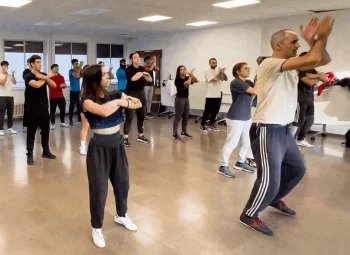
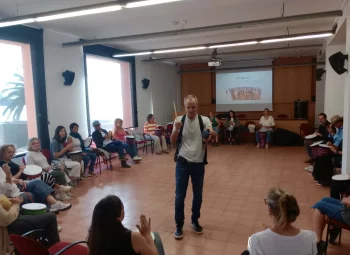
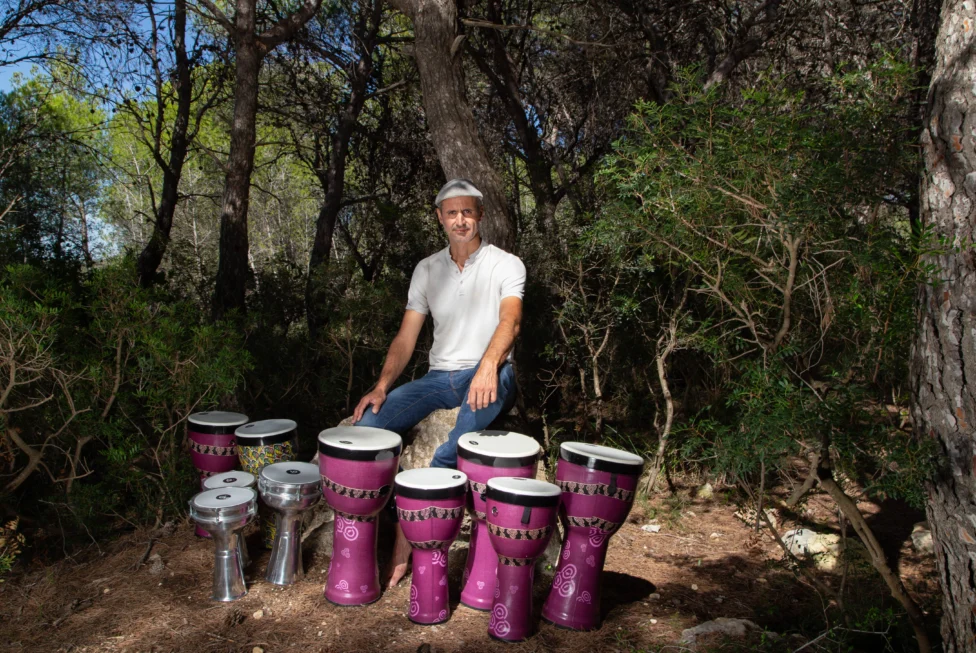
Rhythm, nature, and coaching. Besides being the title of this article, these are the three pillars of the new activity for companies that I am offering this year: Rhythms that transform.
Rhythms that transform is the result of laboratory work with coach Álvaro Pérez Pooley, a member of The Kairos Project (England) and a coach trainer at the Gestalt Institute of Barcelona. Together, we have designed this activity, which balances the three elements that give this article its title.
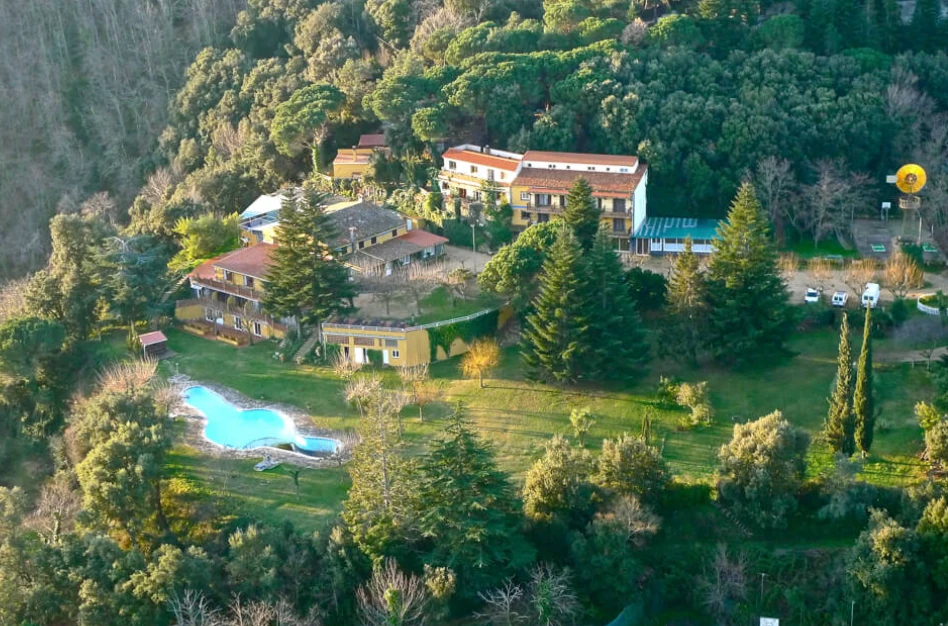
It lasts between two and three days, depending on the chosen option, and takes place at the Can Benet Vives campus www.canbenetvives.org, in the very heart of the Montnegre Natural Park, in Barcelona.
Benefits of combining rhythm, nature, and coaching
- Personal reconnection and self-awareness: Improves self-esteem, personal presence, body awareness, and connection with nature.
- Cohesion and teamwork: Encourages active listening, coordination, and cooperation.
- Activation of natural leadership: Identifies and enhances key talents and roles within the team.
- Shared vision with purpose: Building common goals and collective commitment.
- Methodology aligned with the SDGs (Sustainable Development Goals) and CSR (Corporate Social Responsibility): Positive impact both internally and externally.
Conclusion
If you want your company to carry out deep corporate self-awareness work, improve soft skills, and create a working environment that lasts over time—thus increasing overall performance—“Rhythms that transform” is the right choice.