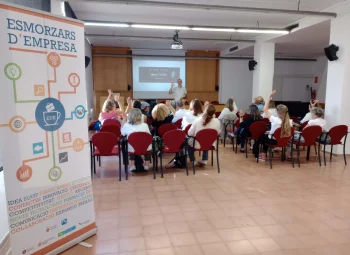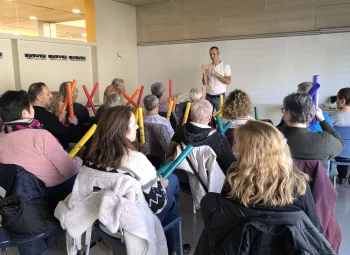




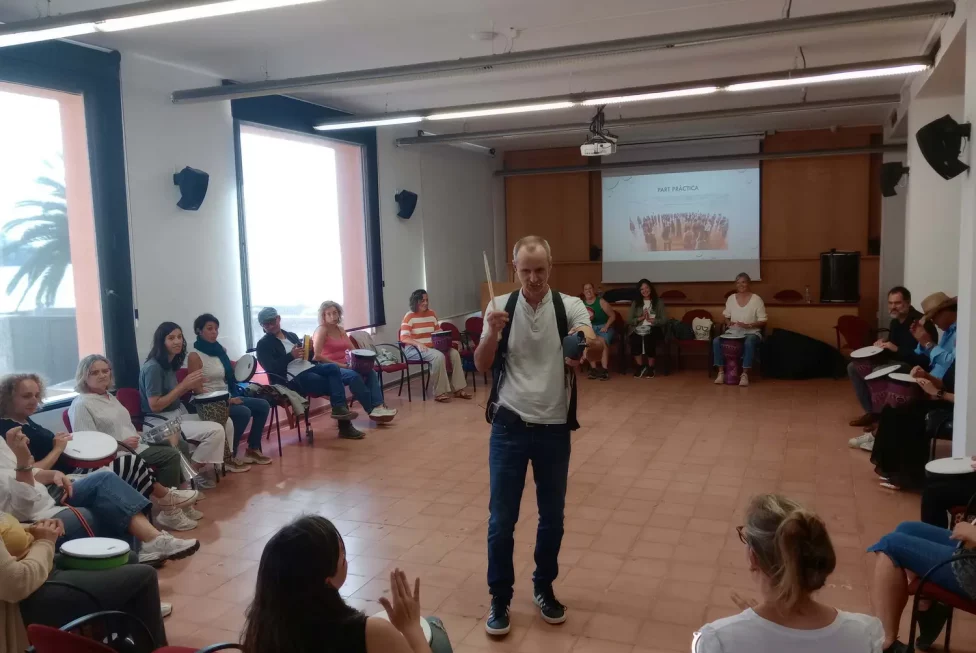
Music has always been part of our humanity. Not only to listen to, but to create and share with others. When we play music in a group, whether in a rhythm workshop or a percussion experience, music ceases to be an individual act and becomes a collective experience that brings deep and lasting psychological benefits.
In this article, we explore how group music-making can positively influence our mental health, social relationships, and emotional well-being, supported by scientific evidence.
1. Group music and mental health
When we actively participate in a musical experience with others, a series of beneficial psychological mechanisms are triggered. Scientific research shows that active musical practice—such as playing, singing, or keeping rhythm together with others—is associated with reduced anxiety, fewer symptoms of depression, and improved self-esteem. This effect lasts beyond the musical moment itself and directly impacts participants’ perception of their emotional and mental health.
In addition, a broad review study highlights that both active and passive participation in musical activities can reduce social isolation, increase the sense of belonging, and strengthen the perception of social support (see the scientific reference at the end of the article).
2. Stress reduction and emotional regulation
One of the most immediate benefits of making music in a group is stress reduction. When we are with others playing or following a shared rhythm, cortisol levels—the stress hormone—decrease, while the brain’s reward systems are activated. This not only makes us feel more relaxed, but also enhances the release of dopamine and other neurotransmitters associated with pleasure and motivation.
For this reason, activities such as Rhythms that Transform, Body Percussion, or Vital Rhythm are not only enjoyable, but also act as true emotional regulators. Taking part in these sessions allows emotions to be processed and expressed in a safe, creative, and shared way.
3. Fostering connection and empathy
Group music-making creates synchronization among participants. This phenomenon is not merely metaphorical: when people play together, their brain activity tends to synchronize, reinforcing feelings of connection and trust. These processes promote empathy and cooperation, which lie at the heart of healthy human relationships.
A study published in a well-known scientific journal shows that participation in collective musical activities increases prosocial behaviors, improves cooperation skills, and strengthens interpersonal relationships.
4. Increased self-esteem and sense of belonging
Participating in group music gives each person an active and visible role. Overcoming challenges, listening and responding to others, or achieving a shared rhythm boosts self-confidence and a sense of personal effectiveness. This is at least one of the effects observed in people who regularly participate in collective musical activities.
Moreover, being part of a group with a shared goal—creating music—generates a sense of belonging that many describe as a community experience or a “musical family.”
5. Cognitive and emotional benefits
Group musical practice not only connects us emotionally, but also has positive implications for cognitive functions such as attention, memory, and coordination. In this way, music acts as a holistic form of mental and emotional exercise that benefits multiple aspects of our psychological functioning.
6. Practical applications: when music becomes therapy
In therapeutic contexts, group music is used to support emotional and social recovery. For example, therapeutic percussion programs have proven useful in the rehabilitation of people with emotional difficulties or reduced socialization, offering an alternative and inclusive space for expression.
This type of approach parallels some of the proposals we offer through rhythmic experience sessions such as Taketina or Boomwhackers, where rhythm and collaboration become tools for personal transformation.
7. Music and community: long-term impact
When music becomes a regular practice within a group, its psychological effects are consolidated and extend beyond the practice room. Lasting bonds are formed, resilience in the face of difficult situations is strengthened, and a network of mutual support is created. This contributes to both collective and individual psychological health.
Conclusion: the psychological power of shared rhythm
The psychological benefits of group music are not merely a pleasant emotional impression, but a phenomenon supported by scientific studies and a universal human experience. From stress regulation to enhanced self-esteem, collective music-making acts as a powerful catalyst for emotional and social well-being.
If you would like to experience these benefits firsthand, I invite everyone to join our activities and workshops to discover how music can transform not only your mood, but also your relationships with others.
Ignasi Corella
Recommended scientific link
Read this review article that synthesizes the effects of musical participation on health and well-being: Role of music in promoting health and wellbeing.